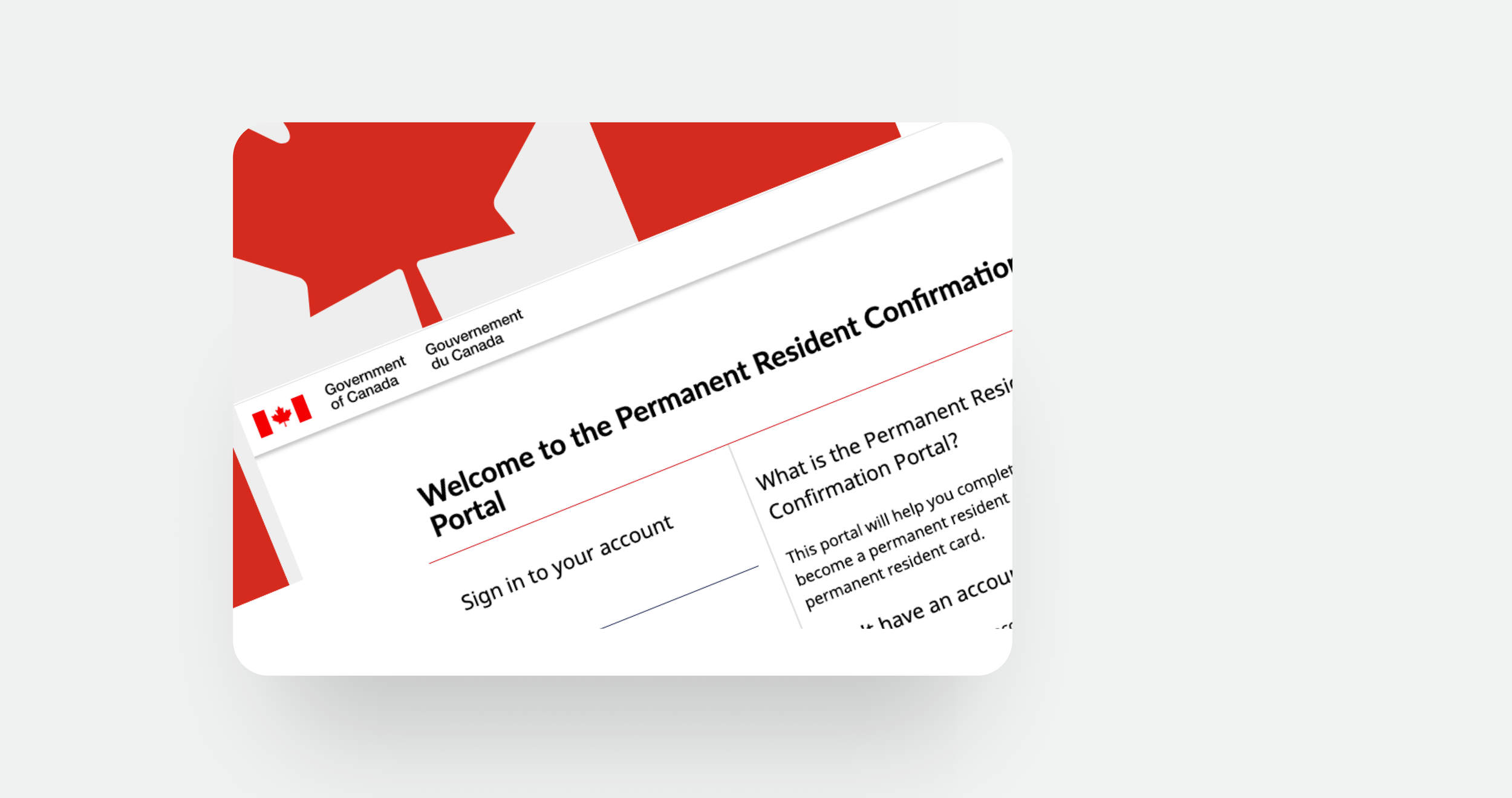
IRCC Digital Platform Modernization Case Study
Note: Under A Non-disclosure Agreement
Some case study specifics may seem obscure to protect the client's intellectual property.
This case study centres on the transformative project by Immigration, Refugees, and Citizenship Canada (IRCC). As a key player in Canada's immigration and citizenship, IRCC aims to ensure a secure and efficient process for permanent residency seekers. This initiative aimed to revolutionize how IRCC officers assess PR Spousal files with a streamlined online application. As a Project Officer and UX Designer, I played a pivotal role, in merging project management with UX expertise for success.
Project Overview
In response to the need for increased efficiency and accessibility, the IRCC embarked on a digital modernization journey. The primary objective was to digitize the process of assessing PR Spousal files, which historically relied on manual paperwork. The introduction of the online application aimed to expedite the evaluation process, reduce human error, and enhance officer productivity. Beyond internal efficiency, the project's success was integral to enhancing the user experience for applicants seeking permanent residency, fostering a more positive engagement with the immigration process.
INITIAL APPROACH
-
Central to the project's success was a meticulous user-centred design approach. This strategy ensured that the online application aligned with the needs and expectations of IRCC officers while being user-friendly and intuitive. By placing the end-users at the forefront of the design process, the application's interface and functionality were optimized for maximum user satisfaction and productivity.
-
To ensure that the project met both the organizational and user needs, I actively engaged with stakeholders to gather project requirements. These requirements were meticulously documented to provide a clear understanding of the project scope and goals. By documenting UI/UX research findings, I facilitated informed design decisions that were grounded in user insights and needs.
DISCOVERY AND RESEARCH
Discovery and Empathy Building
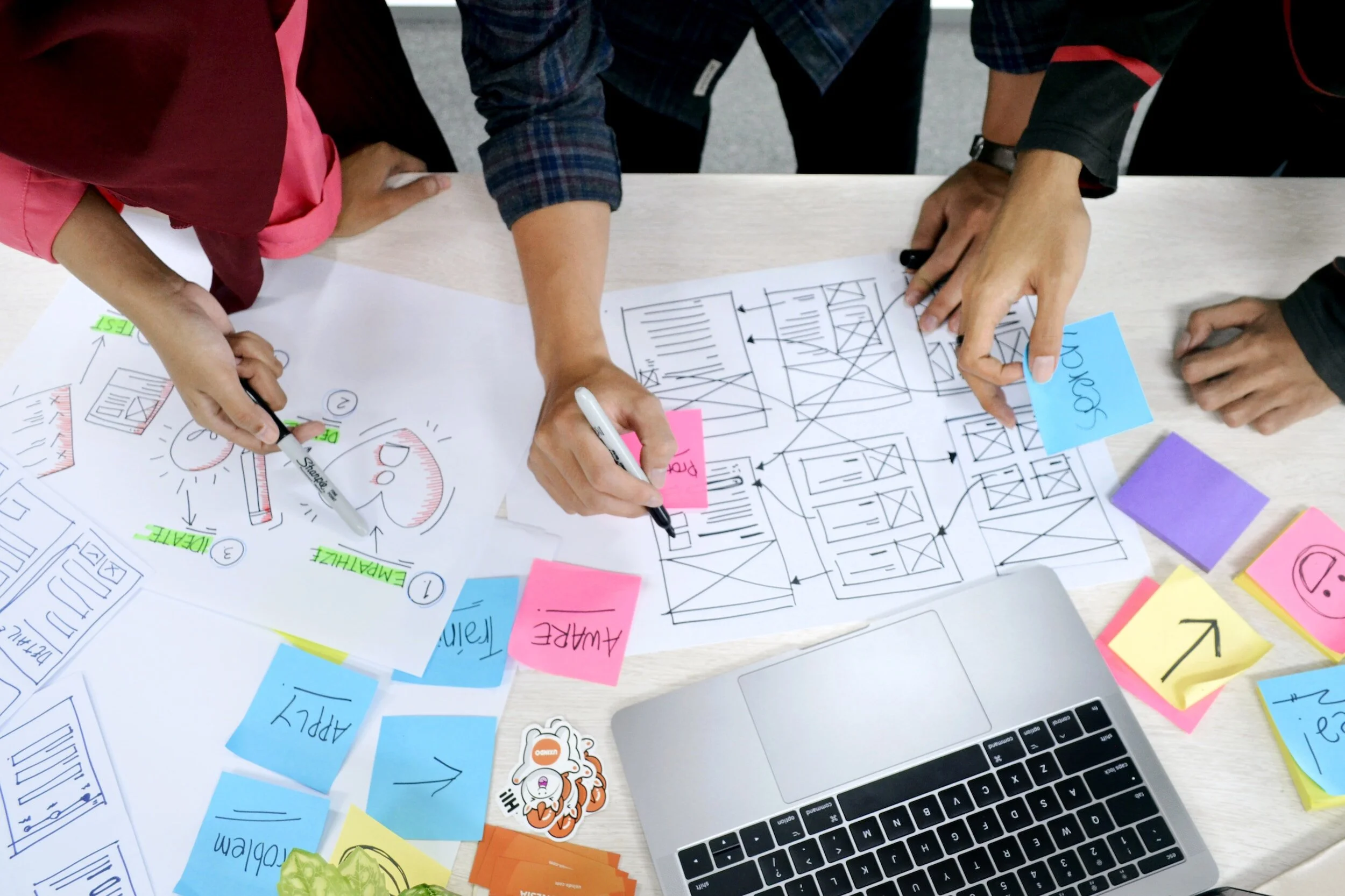
Following the initial research, we delved into a Discovery phase. We orchestrated workshops involving individuals from various departments and diverse levels of experience. This exercise facilitated empathy building by immersing participants in the officers' shoes during a two-day session. On the first day, participants shared their experiences and insights, shedding light on pain points and opportunities. On the second day, they collaboratively identified the most crucial features they envisioned in the new application, thus aiding in the refinement of our Minimum Viable Product (MVP).
Field Research, Observational Insights, and Heuristic Analysis
Field research, interviews, and observational research formed the bedrock of our design strategy for the IRCC Digital Platform Modernization project. While the specific research findings are subject to confidentiality, I can highlight the broader insights and themes that shaped our design direction:
Process Bottlenecks Identification: Through in-depth interviews and observations, I gained a comprehensive understanding of officers' challenges during the PR Spousal file assessment process. These insights drove the creation of streamlined workflows, alleviating pain points.
Usability Pain Points: By witnessing officers interact with the existing GCMS portal and engaging in persona workshops, I pinpointed usability issues obstructing efficient file assessment. This understanding led to the creation of intuitive user flows and interface modifications to simplify complex tasks.
Notification and Tracking Needs: Field research unveiled officers' struggles to track files awaiting actions. This spurred the integration of a robust notification system, ensuring timely progression and eliminating missed deadlines.
Decision-Making Challenges: Immersement in officers' daily activities exposed decision-making complexities. This insight guided the implementation of features like the reviews system and a comprehensive information page, enhancing informed assessments.
Empathy-Driven Design: Empathy-building exercises during Discovery provided officers' perspectives, fortifying user-centred design and fostering collaboration.
The broader insights from our research underscore the depth of our efforts, demonstrating their profound influence on subsequent design choices. These insights served as the bedrock for our user-centred approach, ensuring that the application authentically addressed officers' needs and transformed their daily operations.
Heuristic Analysis and Research Plan:
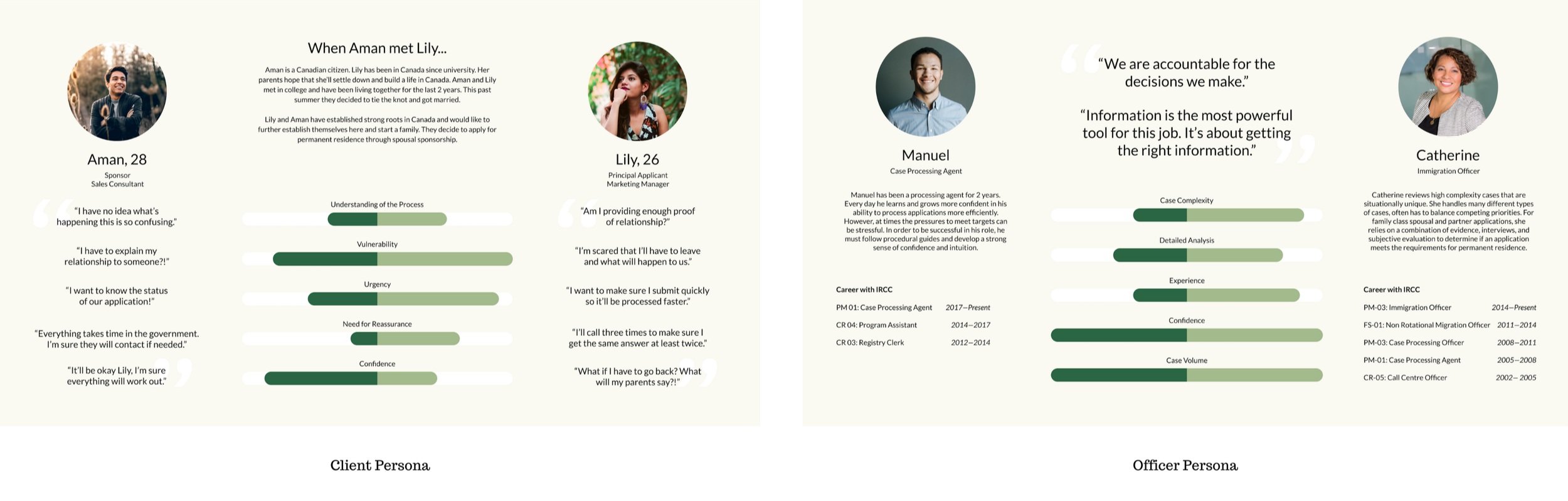
Complementing the user research, a heuristic analysis formed an early pillar of our approach. This evaluation identified potential usability issues in the existing system, guiding our subsequent research directions. Inspired by exemplary practices such as the Australian Partner Visa Application Process and policy innovation within the Family visa application, we gleaned valuable insights, setting the course for our vision. Persona workshops with IRCC officers further enriched our understanding of their daily tasks and challenges. This practical engagement, especially in the context of the GCMS portal, facilitated a deeper grasp of their needs and informed our design decisions.
Reimagining Journey, Design Iteration and Scaling:
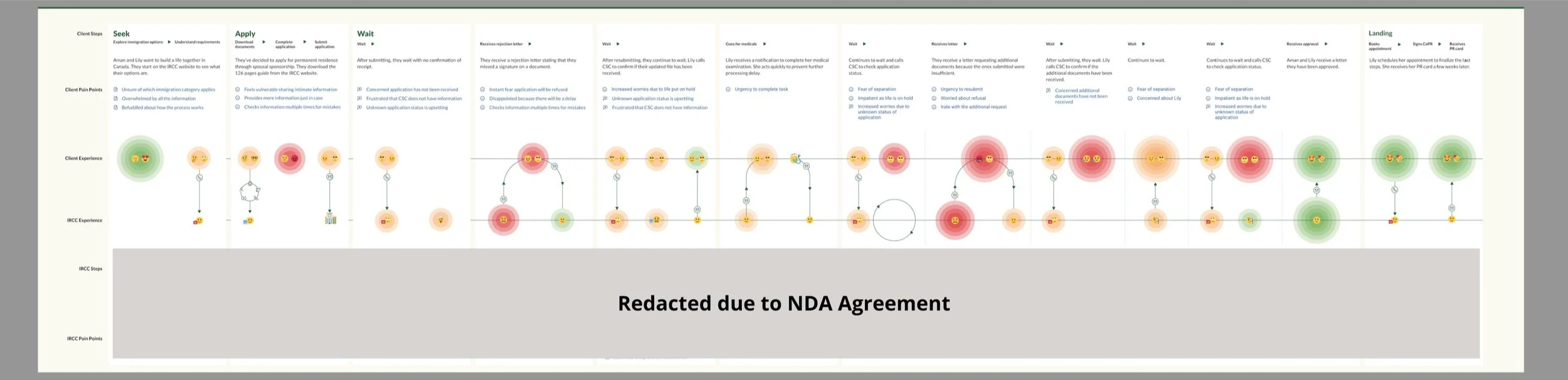
Following the Discovery phase, the insights garnered were instrumental in shaping the subsequent design iterations. Leveraging the data from the empathy-building exercises, we began crafting refined user flows and user journeys. These modifications were a result of the immersive understanding gained during the workshops. By aligning the application's design with officers' daily activities and requirements, we aimed to create a truly tailored user experience.
Before delving into the design phase, we recognized the importance of presenting a future iteration of the product. This served as a critical milestone that enabled us to secure alignment from stakeholders and demonstrate the envisioned improvements. Breaking down the complex file assessment process into manageable sections allowed us to visualize how officers would interact with the application at each stage.
KEY DESIGN THINKING & PROCESS
Design System and High-Fidelity Designs:
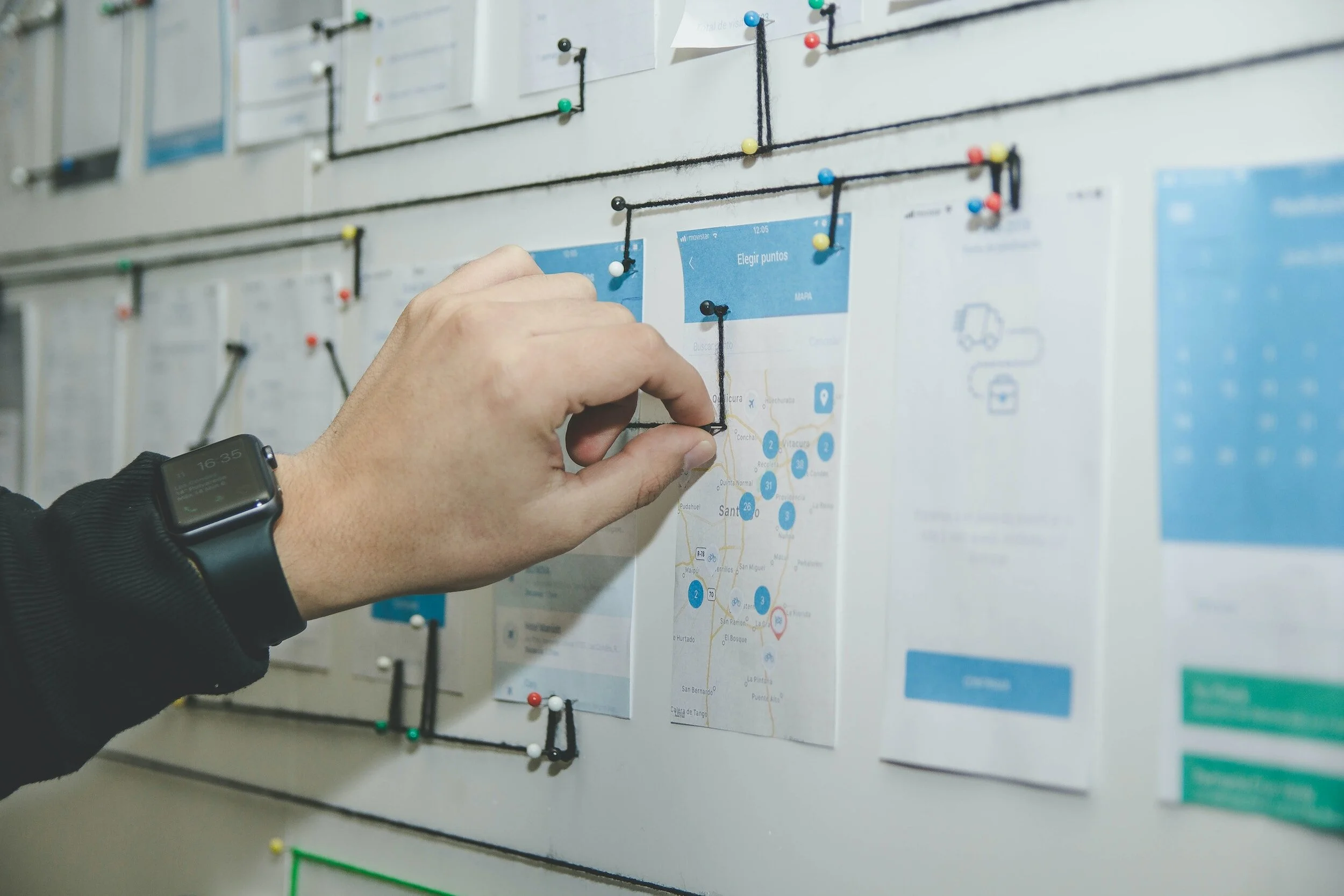
A robust design system was harnessed to ensure design consistency and efficiency. This centralized resource provided standardized design elements and guidelines for the development team. Leveraging the design system, I created high-fidelity designs that seamlessly translated the user-centred vision into tangible design assets, aiding developers in realizing the application's interface.
User Stories, Agile Iteration, and Testing:
Employing an agile methodology, the project embraced user stories and finely detailed acceptance criteria to guide development tasks that directly aligned with user demands. This agile approach facilitated rapid iteration, ensuring a responsive design process that catered precisely to evolving user needs.
Integral to this process was iterative user testing and A/B testing. After each design iteration, we engaged a targeted usexr group, the intended application users, to interact with the evolving prototype. This practical engagement uncovered valuable insights into real-world usability and identified areas for enhancement.
By systematically incorporating user feedback, our design journey remained aligned with user preferences and needs. Each testing phase not only validated design directions but also ensured user ownership and co-creation. This collaborative approach fostered an ongoing dialogue, enhancing both usability and the sense of partnership throughout the project.


Enhanced User Experience Features:
Central to the design process was enhancing the overall user experience. We identified pain points in the existing system and formulated solutions that addressed these challenges. An integral component was establishing a robust notification system. This implementation aimed to alleviate the issue of officers inadvertently overlooking files awaiting necessary information. This proactive approach ensured timely file processing and minimized delays.
We also introduced innovative features such as a reviews system and a comprehensive general information page. These features aimed to streamline officers' decision-making processes. The reviews feature enabled officers to provide feedback on particularly complex cases, fostering collaboration and knowledge sharing among the team. The general information page offered officers an at-a-glance overview of crucial file details, facilitating quicker assessments and informed decision-making.
Collaboration with Tech Leads and Developers:
Our collaborative approach bridged design and development seamlessly. Thorough documentation of specifications and requirements formed the backbone of this partnership, ensuring the design vision's accurate implementation while addressing technical constraints.
A distinctive aspect of our collaboration was immersive walkthroughs, providing developers an in-depth understanding of the application's intricacies, user flow, and functionalities. This proactive exchange of insights streamlined the translation of design into a functional product.
This symbiotic relationship ensured efficient communication, reduced friction, and resulted in a high-quality final product that harmoniously balanced design intent and technical feasibility.
OUTCOME
The IRCC Digital Platform Modernization project successfully digitized and streamlined PR Spousal file assessments in Phase 1. Infusing user-centred design with strategic insights, we laid the foundation for an innovative application catering to IRCC officers' needs. Our collaborative efforts birthed a product that leveraged user-centric design, redefining efficiency and user experience.
Though my involvement concluded post-Phase 1, the journey persists. The vision set during my tenure as a Project Officer and UX Designer paves the way for continued development. The project's evolution will build upon our groundwork, integrating feedback, technology, and evolving user needs. This case study captures a pivotal juncture, showcasing how combining project management and user-centred design shapes the future of digital file assessment within the IRCC. As the project enters new phases, the commitment to officer productivity and user experience endures. The ongoing collaboration among stakeholders, designers, and developers ensures alignment with dynamic user needs and technological trends.
REFERENCE: https://www.canada.ca/en/immigration-refugees-citizenship/corporate/transparency/committees/oggo-february-15-2023/digital-platform.html